








Dental Problems
If you are upset with your bad breath dental problems or wisdom teeth in Brampton and Caledon, call our Brampton's dentist for the best in dental problems, tooth care, teeth cleaning and wisdom tooth removal.
Bad Breath
While having bad breath is quite a common issue, many people
spend a lot of money on products that treat the symptoms
rather than its causes. Bad breath is usually caused by
bacteria and food decay particles staying on the gums, tongue,
and in between the teeth. These types of symptoms can be
solved with a daily oral hygiene regimen, which includes
brushing and flossing.
Other conditions can also cause bad breath, such as eating
garlic or onions or smoking. Some even worse causes can be
stomach, sinus or respiratory symptoms. Your overall health
can dictate which of these triggers are affecting you, however
it is important to prioritize having a basic oral hygiene
routine.
Cavities and Tooth Decay
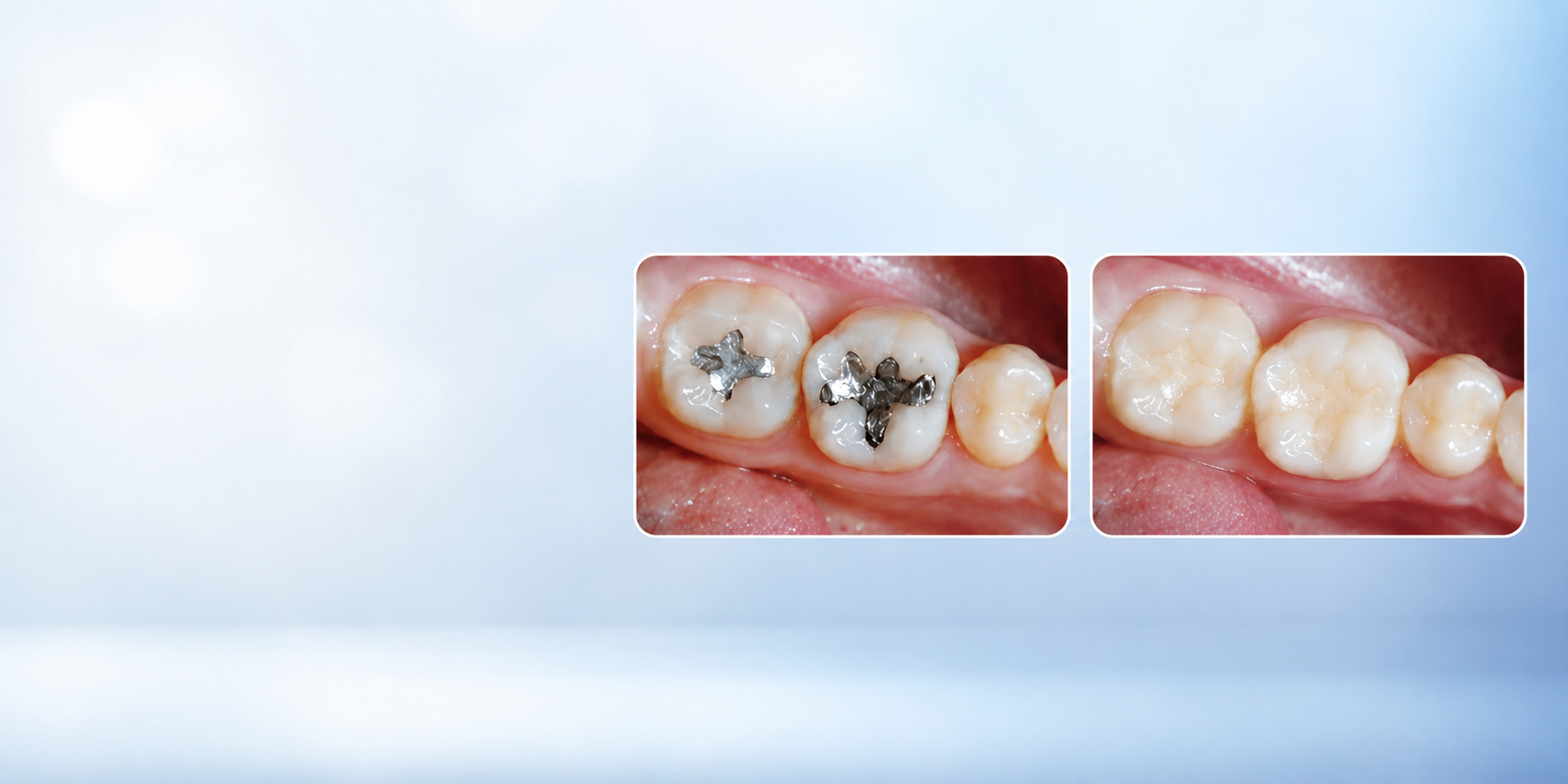
Tooth decay occurs when plaque starts to build up on one’s
teeth. Plaque is made of food and bacteria and can form
harmful acids that break down tooth enamel and lead to
cavities. If these are not quickly treated, they can worsen
and may result in the need of root canal surgery.
In order to prevent such decay from occurring, you must follow
a regular oral hygiene routine that includes flossing,
brushing and rinsing with fluoride as well as maintaining a
healthy diet. To stimulate saliva production between
brushings, chewing sugarless gum can be used as an additional
strategy.
Baby Bottle Tooth Decay
Baby bottle tooth decay occurs when babies drink breast milk or certain juices. The sugary substances in these liquids form pools inside a baby’s mouth. When combined with saliva, it can lead to early stages of tooth decay and could also potentially hinder the development of future teeth.
Some prevention methods are as follows:
Encourage your toddler to drink from a cup as early as possible
Don’t share saliva with the baby
Wipe the baby’s gums with a clean damp cloth after feeding
Use a tiny amount of fluoride toothpaste once the child’s teeth start to come in
Avoid putting juice or any flavoured water in the baby’s bottle
Make sure pacifiers are always clean
Gum Disease
Gum disease, medically known as gingivitis, is generally caused from a long-term exposure to plaque, which is a build up of bacteria and food particles. This build-up leads to an infection of the gums and can start with early symptoms such as bad breath, painful or swollen gums, or minor bleeding after brushing or flossing. If these symptoms are not quickly addressed, the gums can separate from the teeth over time and create more opportunity for the infection to spread. While it is avoidable, gingivitis can cause a loss of teeth for many adults. Hormonal changes during pregnancy can also contribute to some of the triggers. It is important to see your dentist if any of these symptoms prevail.

Teeth Grinding
Teeth grinding, also known as bruxism, is a habit that is generally viewed as harmless and a result of stress or anxiety. However, over a long period of time bruxism can severely damage your jaw and your teeth. It causes abrasion to the surfaces of your teeth and over time, the wear and tear can prematurely age the teeth and the issues that come with that, such as hypersensitivity. One can also get jaw and facial pain as well as headaches. Keep an eye out for symptoms such as a sore jaw or if your teeth look worn down. Your tongue could also have small dents in it. The overall issue of bruxism can be somewhat treated by wearing a small appliance while sleeping. Another option is to engage in various tongue exercises to help with alignment.

Wisdom Teeth Removal
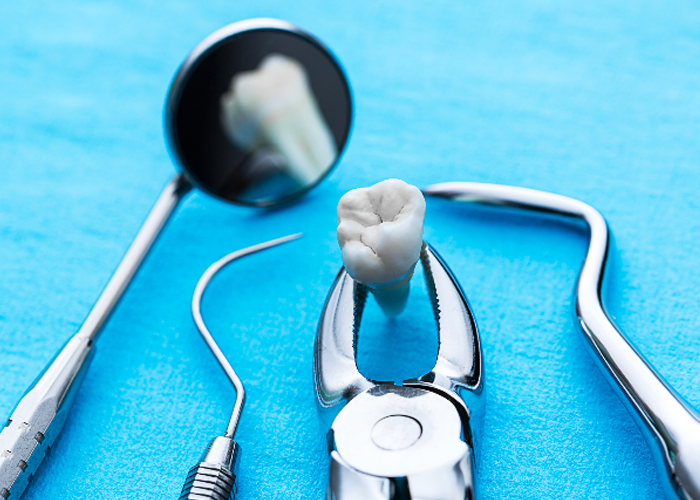
Wisdom teeth come into the back corners of the adult mouth and unfortunately cause many people significant pain. Often it is because the new teeth push on the existing teeth and cause crowding, improper bites, and other issues. The main solution for painful wisdom teeth is to have them removed. If they are painful and left inside the mouth they can become impacted, which means that they can get stuck below the gums and cause many further problems. These issues can be very harmful to your overall oral health and must be addressed at the onset of pain or inflammation.